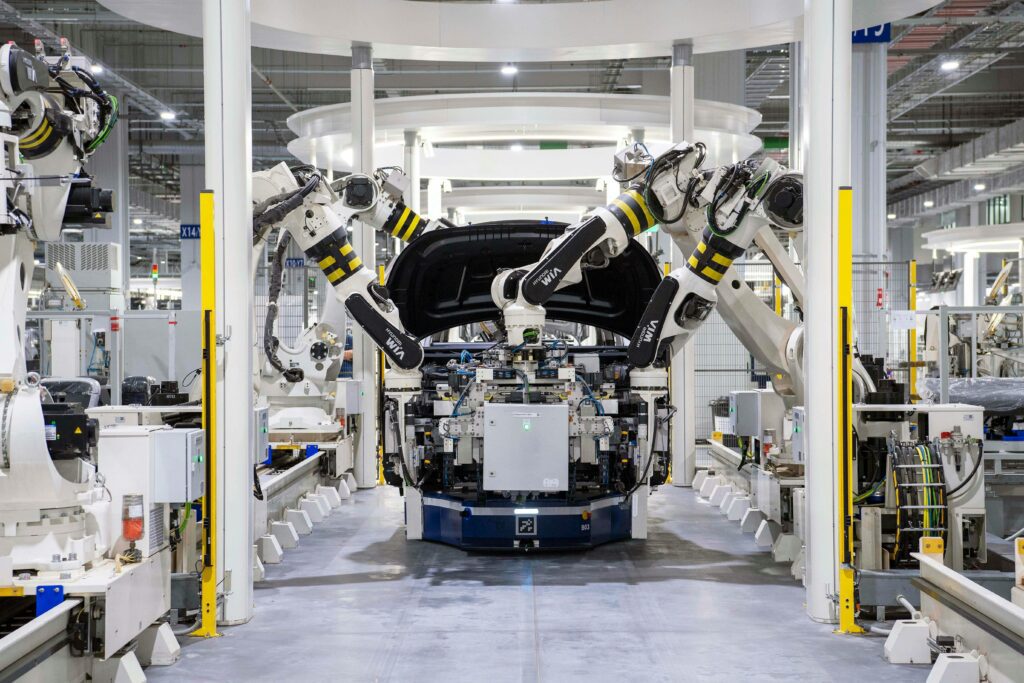
Manufacturing today is all about speed, precision, and control. Without the right systems, production delays, quality issues, and inventory gaps can slow things down. A Manufacturing Execution System (MES) helps solve these challenges by giving manufacturers real-time visibility and improving efficiency.
But MES implementation isn’t just about installing software. It’s about making sure it fits into your production process seamlessly, aligning with your goals and without causing disruptions. A structured approach ensures everything runs smoothly.
Why Do Manufacturers Need An MES?
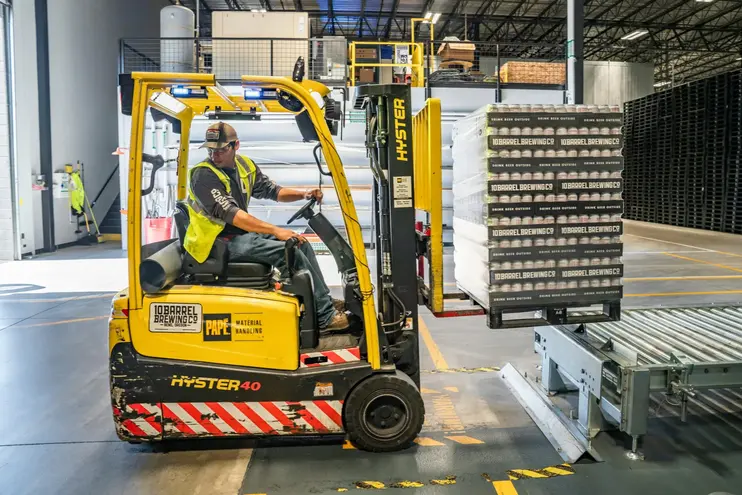
Running production without real-time data is a lot like jumping into the unknown. You won’t notice bottlenecks, material shortages, or quality issues until they cause major problems. Now, imagine a manufacturer producing complex components for aerospace or medical devices. Unexpected material shortages, out-of-sequence tasks, or quality defects can halt production and lead to compliance risks.
An MES helps by:
- Automating workflows, so teams spend less time on manual processes and more on critical tasks.
- Giving real-time insights into production, making it easier to spot and fix errors before they escalate
- Improving traceability, ensuring every part meets quality and compliance standards.
- Keeping track of labor and inventory so resources are used efficiently and nothing goes to waste.
But simply having an Manufacturing Execution System isn’t enough. Setting the right business goals ensures it delivers real results. Here is a step by step MES implementation guide that will make it easier:
Step 1: Define Clear Goals
The first and foremost principle in Manufacturing Execution System MES Implementation is setting goals. Instead of vague goals, set clear targets like reducing cycle time by 20%, lowering defects by 15%, or increasing machine uptime by 30%. These numbers make it easier to track progress and adjust as needed.
A successful MES rollout starts with manufacturers setting clear objectives based on business needs, such as:
- Identify bottlenecks to reduce downtime
- Ensuring quality control with automated defect tracking
- Optimizing resource management through real-time data collection
- Enhancing workflow efficiency by digitizing manual processes
Step 2: Choose The Right MES
Not all MES platforms are the same. The right system should fit your needs and integrate seamlessly with your existing setup.
Look for features like:
- Custom workflows that match your production style
- Live dashboards to track orders and inventory in real-time
- Step-by-step tracking to eliminate the guesswork in production
- Automated quality checks to maintain consistency.
If you are wondering what features an MES offers, then you can read more about Inevia’s Traveler MES to get an in-depth idea about what you can enhance with an MES.
Step 3: Create An MES Implementation Plan
Rolling out an Manufacturing Execution System too fast can lead to confusion among teams. So, it’s important to have a structured MES Implementation plan that reduces risks and ensures a smooth transition.
- Pilot Testing: Test the MES on a single production line before a full-scale launch
- Integration with Existing Systems: Ensure the MES aligns with ERP and inventory management tools
- Customization: Configure workflows and dashboards to match specific production needs
- Training Plan: It is equally important to have training programs in place before MES Implementation, so the workforce is ready to use it.
An automotive parts manufacturer can test the MES in one assembly unit before scaling it across the factory. This gradual approach helps the team adapt and keeps operations running smoothly.
Step 4: Configure The System And Migrate Data
Once the plan is in place, it’s time to configure the system and transfer production data accurately. Manufacturers must document each step of the production process for regulatory compliance. An MES should also be able to manage this task seamlessly, for example, Traveler MES automates traceability from raw materials to final assembly, reducing recall risks and ensuring FDA or ISO compliance.
Some of the key steps in this process include:
- Mapping workflows to match real production steps
- Setting up tracking for orders and inventory
- Automating defect tracking to catch quality issues early
Step 5: Train Your Team
Even the best system won’t work if employees don’t know how to use it. So, training your employees ensures they feel confident and comfortable using the MES.
Manufacturers should focus on:
- Showing how to track production and report issues
- Using dashboards for real-time updates
- Encouraging feedback to improve system setup
Step 6: Monitor And Improve
Once your MES Implementation is running, keep an eye on performance. Over time, you can refine workflows and make the system even more efficient. Key areas to track include:
- Production speed – Are orders completed faster?
- Quality control – Are defects decreasing?
- Resource use – Is labor and material being optimized?
A good MES provides live insights so manufacturers can adjust and improve continuously.
Unlock Efficiency with MES Implementation
A well MES Implementation makes production faster and more reliable. When done correctly, it reduces waste, improves quality, and helps teamwork more efficiently. Inevia’s Traveler MES helps manufacturers take control of production and scale with confidence.
Contact us today for a live demo!