Top Benefits of Real-Time Data in MES for Manufacturing Efficiency 

Ever thought your shop floor might be losing money while you wait for reports? Most leaders rely on outdated stats. Without Real-Time Data in MES, you’re making decisions based on yesterday’s reality. To stay competitive, you need instant insights. 

Switching to digital is no longer optional for growth. It’s essential. Knowing what’s happening now is key to staying ahead. 
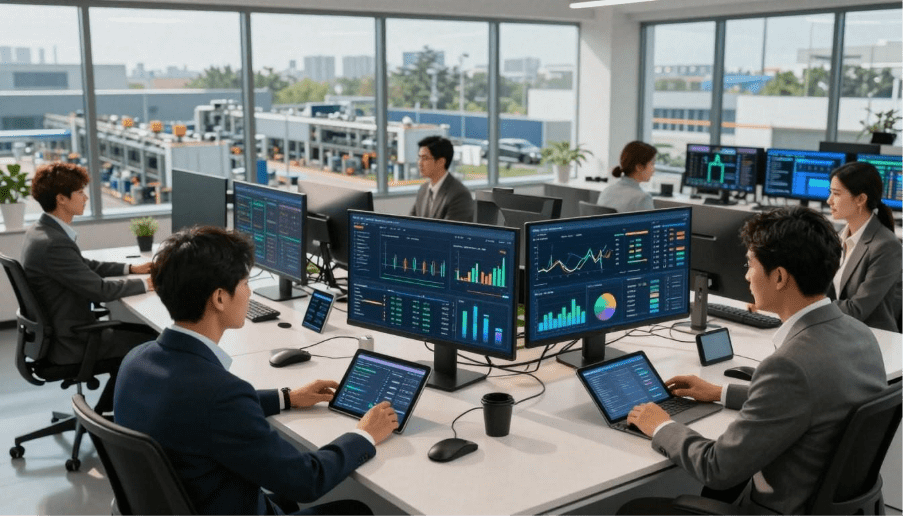
 Benefits of Real-Time Data in MES

Traveler MES changes your work by ditching manual tracking for digital work instructions. This smart, modular system uses real-time manufacturing data to quickly stop errors. It replaces old methods with a scalable framework that grows with you. 

Digitizing operations makes every process clear. This shift ensures absolute ownership of your production quality. It lets you focus on innovation, not fixing the same mistakes over and over. 

With production analytics, you get complete visibility and better traceability. This forward-thinking approach empowers your team to make confident choices for growth. See the shift to proactive excellence with a solution built for success. 

Key Takeaways 

  • Eliminate paper errors with digital tracking. 
  • Gain total visibility into every production stage. 
  • Improve traceability for better quality control. 
  • Empower teams with evidence-based decision-making. 
  • Scale operations easily with modular software. 
  • Boost shop productivity through optimized workflows. 

1. Enhanced Production Visibility and Control 

To stay ahead, manufacturers need solutions that offer full production visibility and control. Your production floor is key to your operations. Real-time insights are vital for smart decisions. 

Complete Shop Floor Transparency with Digital Dashboards 

Traveler MES gives you complete shop floor transparency with digital dashboards. You can watch production in real-time. This lets you track metrics, find bottlenecks, and make better decisions. 

Digital dashboards offer a single view of your production. It’s easier to manage complex tasks and solve problems quickly. 
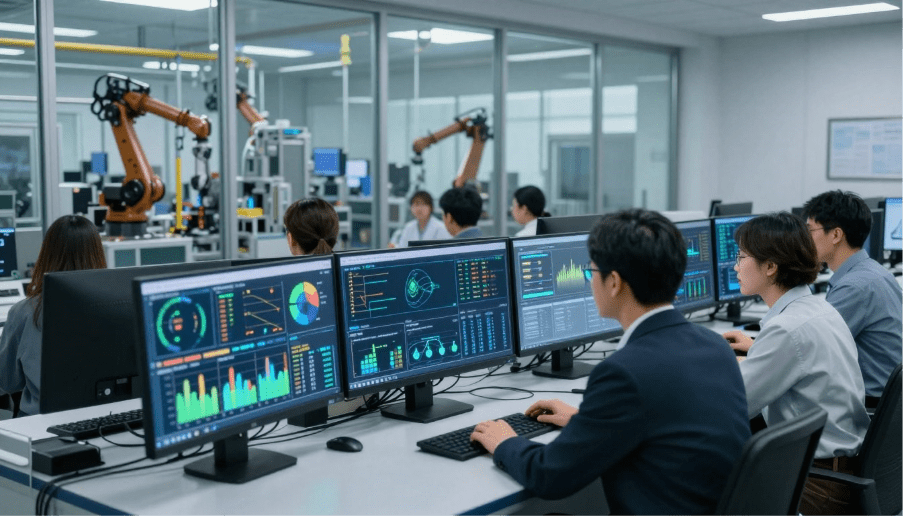
Top Benefits of Real-Time Data

Real-Time Process Monitoring Eliminates Blind Spots 

Real-time monitoring is key to spotting issues before they grow. By tracking production, you can find and fix problems early. This keeps your processes running smoothly. 

This approach helps you optimize production processes and boost efficiency. 

Replacing Paper Travelers with Digital Tracking Systems 

Traveler MES uses real-time tracking and digital work instructions. It replaces paper travelers with a digital system. This makes tracking more efficient and cuts down on errors. 

Using digital systems ensures your production is well-documented. It helps meet regulatory needs. 

2. Real-Time Manufacturing Data Enables Faster Decision-Making 

Real-time manufacturing data is changing how you make decisions on the shop floor. You can now get critical information instantly. This lets you handle production changes and challenges more quickly. 

Instant Access to Critical Manufacturing Analytics 

Your manufacturing operations create a lot of data. Traveler MES gives you instant access to important manufacturing analytics. You can watch production performance, find bottlenecks, and improve processes right away. 

This quick access to data helps you make fast, informed decisions. You don’t have to wait for manual reports or old information. 

Data-Driven Production Optimization Strategies 

Real-Time Data in MES and advanced analytics help you create data-driven production optimization strategies. You analyze production data to find ways to improve. Then, you make changes to boost efficiency and productivity. 

Data visualization tools make it easy to understand complex data. They help you see your production processes clearly. 

Reducing Response Time from Hours to Minutes 

One big advantage of real-time manufacturing data is faster response times. You can solve production problems in minutes, not hours. This is because you have instant access to important information. 

How Traveler MES Centralizes Decision-Making Data 

Traveler MES brings all decision-making data together. It combines information from different sources into one place. This makes it easy to find all the data you need for informed decisions. 

By bringing data together, you avoid data silos. Everyone can see the same information. This helps with teamwork and consistent decision-making. 

3. Improved Quality Control and Traceability 

Traveler MES helps you improve quality control and traceability. This ensures you meet standards and follow rules efficiently. Quality control is key to keeping high standards and following rules. 

Traveler MES has several important features for quality control. 

Automated Defect Detection and Real-Time Alerts 

Traveler MES can find defects automatically and send alerts right away. This means any problems are caught and fixed quickly. It helps avoid making products that don’t meet standards. 

Automated defect detection finds issues early. This lets you take action fast. 

End-to-End Product Genealogy and Batch Tracking 

Traveler MES tracks your products from start to finish. This is important for keeping detailed records of your products. 

Maintaining Compliance Records Automatically 

The system keeps compliance records for you. This saves time and makes sure your records are correct and up-to-date. 

This saves time and makes your records more reliable. 

Streamlined Audit Processes and Regulatory Compliance 

Traveler MES makes audits easier and ensures you follow rules. It helps you get ready for audits and show you follow rules. 

4. Predictive Maintenance and Reduced Downtime 

Your manufacturing efficiency depends on your equipment’s health. Traveler MES helps you predict and prevent downtime. It uses IoT technology to monitor equipment health in real-time, allowing for proactive maintenance. 

Leveraging IoT in Manufacturing for Equipment Health Monitoring 

The Internet of Things (IoT) has changed the manufacturing world. It gives real-time insights into equipment performance. With Traveler MES, you can use IoT for: 

  • Real-time monitoring of equipment health 
  • Early detection of problems 
  • Data-driven maintenance decisions 

Sensor Integration and Data Collection 

Predictive maintenance starts with data from sensors in your equipment. Traveler MES makes it easy to integrate these sensors. This gives you detailed and accurate data on equipment performance. 

Predictive Maintenance Models Through Advanced Analytics 

Advanced analytics are key in predictive maintenance. They analyze sensor data to predict when maintenance is needed. Traveler MES uses advanced analytics to: 

  1. Find patterns and anomalies in equipment behavior 
  1. Predict equipment failures before they happen 
  1. Optimize maintenance schedules based on equipment condition 

Converting Reactive Maintenance to Proactive Strategies 

Predictive maintenance helps you move from reactive to proactive maintenance. This reduces downtime and extends equipment life. Traveler MES gives you the insights to: 

  • Anticipate and prevent equipment failures 
  • Reduce unplanned downtime 
  • Use maintenance resources better 

Quantifying Downtime Reduction and Cost Savings 

Predictive maintenance lets you measure downtime reduction and cost savings. With Traveler MES, you can track and analyze the impact of predictive maintenance. This makes it easier to justify investments in this area. 

Traveler MES uses IoT and advanced analytics to support scalable manufacturing growth. It minimizes downtime and maximizes efficiency. 

5. Optimized Resource Utilization and Workflow Efficiency 

Your manufacturing operations can reach new heights of efficiency. This is thanks to optimized resource utilization and workflow efficiency. By using Real-Time Data in MES and advanced analytics, you can make your production processes better. This means less waste and more productivity. 

Dynamic Production Scheduling Based on Live Data 

Traveler MES makes your production scheduling dynamic and based on live data. This ensures your production is always at its best. You can quickly respond to changes in demand, cut down on lead times, and boost efficiency overall. 

  • Real-time production monitoring 
  • Automated scheduling adjustments 
  • Improved resource allocation 

Material Tracking and Waste Reduction Initiatives 

Effective material tracking is key to reducing waste and improving resource use. Traveler MES supports material tracking and waste reduction initiatives. It helps you spot inefficiencies and take action to fix them. 

Real-Time Inventory Management 

Real-time inventory management lets you track inventory levels and optimize stock levels. This reduces the chance of overstocking or understocking. 

  1. Real-time inventory tracking 
  1. Automated inventory updates 
  1. Optimized stock levels 

Boosting Labor Productivity with Digital Work Instructions 

Digital work instructions can greatly improve labor productivity. They give workers clear, step-by-step guidance. Traveler MES lets you create and deploy digital work instructions. This reduces errors and boosts overall efficiency. 

6. Seamless Integration with Smart Factory Technology 

To lead in manufacturing, integrating with smart factory tech is key. Your operations must be flexible and ready for growth. Traveler MES is made to fulfill these needs. 

Traveler MES works well with smart factory tech. It uses IoT connectivity and top-notch data tools for a full view of your operations. 

IoT Connectivity and Advanced Data Visualization Tools 

IoT connects your gear and devices, giving you Real-Time Data in MES. Advanced tools then make this data easy to understand and use. 

Machine Learning in Manufacturing for Continuous Improvement 

Traveler MES uses machine learning in manufacturing for betterment. It analyzes data to spot ways to improve and predict problems. 

Pattern Recognition and Process Optimization 

Machine learning finds patterns in your data, leading to better processes. This boosts efficiency, cuts waste, and raises quality and productivity. 

Modular Architecture Supporting Scalable Manufacturing Growth 

Traveler MES’s design supports growth. It adjusts as your operations grow, keeping you competitive and agile. 

How Traveler MES Adapts to Expanding Operations 

Traveler MES grows with your business. It handles new lines, products, or markets smoothly. Its design ensures smooth adaptation to your evolving needs. 

7. Conclusion 

Using real-time data in MES like Traveler MES can change how you make things. It makes production clearer, helps you make quick decisions, and boosts quality. This leads to big improvements in how things get made. 

Real-Time Data in MES lets you use resources better, predict when things need fixing, and work smoothly with smart factory tech. This keeps your operations quick and competitive in a fast-changing world. 

Traveler MES helps your manufacturing grow without getting stuck. It makes tracking, productivity, and making decisions based on data better. By using this tech, you can grow while keeping quality high and avoiding problems. 

FAQ 

Q: How does Traveler MES enhance my shop floor visibility? 

A: Traveler MES makes your shop floor transparent by switching to digital dashboards. It tracks and monitors in real-time, removing blind spots. This gives you a clear view of your production cycle, helping you act quickly and optimize production. 

Q: In what way does Real-Time Data in MES accelerate decision-making? 

A: Traveler MES gives you instant access to key manufacturing data. This lets you make decisions based on data, not waiting for reports. You can respond faster, keeping your operations agile and competitive. 

Q: How can Traveler MES help me maintain quality control and traceability? 

A: Traveler MES keeps quality high with automated defect detection and alerts. It tracks products from start to finish, making traceability easy. This simplifies audits and ensures you meet strict standards. 

Q: Does the platform support predictive maintenance and downtime reduction? 

A: Yes. Traveler MES uses IoT to monitor equipment health. It applies machine learning for predictive maintenance, cutting downtime and boosting equipment value. 

Q: Can Traveler MES improve my resource utilization and labor productivity? 

A: Absolutely. It schedules production based on Real-Time Data in MES, using resources efficiently. Digital instructions and inventory management also increase productivity and reduce waste. 

Q: Is this smart factory technology built for scalable manufacturing growth? 

A: Yes. Traveler MES has a modular design for growth. It uses data and machine learning for continuous improvement, adapting to your needs without disruption. 

Q: How does the integration of IoT and machine learning benefit my long-term strategy? 

A: Combining IoT with machine learning in manufacturing leads to advanced monitoring and pattern recognition. This ensures your facility evolves, achieving higher efficiency and scalability. 

Before & After MES: What Actually Changes on the Shop Floor

Walk into almost any manufacturing facility, and you’ll hear familiar questions.

“Where exactly is production stuck today?”
“Why did this order miss its date?”
“Was this a quality issue or a planning issue?”

The answers usually exist, but they’re scattered across people, paper, spreadsheets, and systems that don’t talk to each other. A Manufacturing Execution System (MES) doesn’t make manufacturing simple. What it does is make reality visible.

This blog looks at what actually changes on the shop floor after MES, not in sales terms, but in everyday operations.

Visibility: When ‘Checking’ Is No Longer Required

Before MES, visibility depended heavily on people. Updates arrive at the end of a shift or during review meetings. If something goes wrong mid-day, leadership often hears about it much later, once the impact is already locked in.

With MES, that gap closes.

Production status, machine performance, and work-in-progress are visible as they happen. This doesn’t eliminate problems, but it removes the delay in recognizing them.

Small but meaningful shifts start to occur:

  1. Fewer follow-up calls to “check status.”
  2. Less time spent reconciling conflicting numbers
  3. Faster alignment between what’s planned and what’s actually running

Over time, this visibility reduces friction, not because people work harder, but because they work with fewer blind spots.

Execution: Schedules That Can Bend Without Breaking

Production schedules often look solid on paper. But real shop floors don’t operate on paper conditions.

Machines go down. Materials arrive late. Quality checks interrupt flow. Without MES, these disruptions force teams into manual coordination, reworking plans, shifting priorities, and hoping nothing important gets missed.

After MES, execution becomes more adaptable. The system reflects real conditions on the shop floor, allowing teams to:

  1. Resequence work without losing overall visibility
  2. Balance priorities across machines and lines
  3. Respond to disruptions without starting over

Instead of holding the schedule together through effort alone, the operation becomes structurally more resilient.

Quality: From Late Discovery to Early Signals

Quality issues rarely appear overnight. They develop gradually – a process drifting slightly, a workaround becoming routine, a deviation going unnoticed across shifts. Before MES, quality checks are often disconnected from production data. When defects surface, tracing them back can be slow and incomplete.

After MES, quality is tied directly to execution. Checks are enforced at the right stages. Deviations are flagged closer to their source. And traceability becomes practical, not just something prepared for audits. This doesn’t just reduce scrap,  it reduces uncertainty.

Where Teams Notice the Difference Most
Faster root-cause analysis Fewer repeated defects across shiftsLess rework hidden inside “productivity” numbers

Machines: From Assumptions to Evidence

Most factories know their machines aren’t performing at full potential. What’s harder to pinpoint is why.

Without MES, machine performance is typically summarized and averaged. Downtime reasons are sometimes manually recorded inconsistently, and sometimes after the fact. Over time, these records blur together, making it difficult to distinguish between one-off disruptions and recurring issues. Conversations about equipment performance tend to rely on experience, memory, and perception rather than consistent evidence.

MES changes this dynamic by capturing how machines actually behave over time, not just when something goes wrong, but continuously.

Instead of broad explanations, teams gain visibility into:

  1. When machines stop, including the exact time and production context
  2. How often those stoppages occur, revealing patterns that averages hide
  3. What typically precedes a performance drop, such as material changes, shift transitions, or process adjustments

This level of detail turns machine data into a narrative rather than a statistic. Patterns emerge that were previously invisible, short, frequent stoppages that quietly erode output, or recurring slowdowns that never trigger alarms but consistently impact delivery.

As a result, equipment discussions change tone.

Instead of debating whose shift performed better or whether a machine “usually works fine,” teams can focus on specific, repeatable issues. Maintenance efforts become more targeted. Process improvements are based on observed behavior, not assumptions.

What Surprises Leaders!!The biggest gains rarely come from buying new machines; they come from understanding how existing ones are really used.

Decision-Making: Less Intuition, Better Context

Experience will always matter in manufacturing. But experience works best when paired with context.

Before MES, decisions are often made using partial data, yesterday’s numbers, averages, or explanations filtered through multiple layers.

With MES, decisions are grounded in what’s actually happening:

  1. Why output dip during a specific shift
  2. Which process consistently slows the flow
  3. Where variability is creeping in

This doesn’t remove judgment; it sharpens it.

The Cultural Shift: Fewer Emergencies, More Control

One of the most noticeable changes after MES isn’t technical; it’s behavioral. Before MES, teams spend a lot of time reacting. Problems are urgent. Conversations are defensive. Improvements are hard to sustain.

After MES, operations feel calmer. Issues are identified earlier. Accountability becomes clearer. Teams spend less time firefighting and more time improving how work flows day to day.

A subtle but important change: When everyone sees the same data, conversations shift from “who’s responsible” to “what’ s needs to change”.

MES doesn’t transform a shop floor overnight.

What it does is remove the fog that slows decisions, hides inefficiencies, and turns small issues into big ones. With clearer visibility and tighter execution, teams gain control not by working harder, but by working with better information.

Over time, that clarity compounds.

And on the shop floor, clarity is often the difference between constantly catching up and consistently moving forward.

How Downtime is minimized by Traveler MES

In small and mid-sized factories, time isn’t just money; it’s reputation, customer satisfaction, and operational momentum. One small delay can trigger a domino effect, stalling production lines, missing deadlines, and stretching costs beyond control.

For discrete manufacturers who rely on precision, traceability, and timely delivery, these delays can be costly in more ways than one. But what if downtime wasn’t just monitored after the fact, but prevented altogether?

Traveler MES by Inevia is built specifically to tackle these challenges from the ground up. Not only does it align with your production workflow and it actively improves it, helping you reduce downtime at every critical point in your cycle.

Why Downtime is More Than Just Lost Time

In discrete manufacturing, every part is unique, every batch has a story, and every process must follow a strict sequence. When production stops, you don’t just lose minutes you lose trust.

Downtime can come from:

  • Miscommunication between teams
  • Missing or incomplete instructions
  • Poor visibility into where a product is in its cycle
  • Unlogged quality issues
  • Delays in raw material prep or inspection

These aren’t just technical hiccups, they’re blockers to operational efficiency. They slow your team, stress your delivery timelines, and weaken your competitive edge.

The Hidden Costs of Production Delays

You might not always see the numbers, but they’re there.

  • Idle time: Machines wait, people wait, orders wait.
  • Confusion and rework: Operators miss steps due to outdated instructions.
  • Delayed shipments: One late order means a missed customer window.
  • Wasted materials: Without clear tracking, you might scrap parts that could’ve been fixed.

For small and mid-sized businesses where resources are tight, these losses hit harder. Traveler MES helps you cut through the noise and focus on what matters smooth, traceable production with minimal downtime.

How Traveler MES Works Across Your Manufacturing Cycle

Let’s walk through how Traveler MES supports each step of your discrete manufacturing workflow while actively reducing downtime throughout the process.

1. Knitting: Organizing the Production Plan

Every manufacturing process begins with a clear plan and that’s exactly what the knitting stage is all about. This is where you define the part, create a work order, and get your team aligned before production even begins. With Traveler MES, this stage becomes incredibly efficient. You can set up each job using a standardized template that includes the part’s identity defined by an 8-digit code, security level, and the appropriate work centers assigned for production. Everything is structured and centralized, reducing the back-and-forth and confusion that usually eats into valuable production time.

How it helps reduce downtime: Instead of teams losing time trying to figure out next steps or searching for missing instructions, everything they need is already documented and ready to go from the beginning. It sets the tone for a smooth, uninterrupted production cycle.

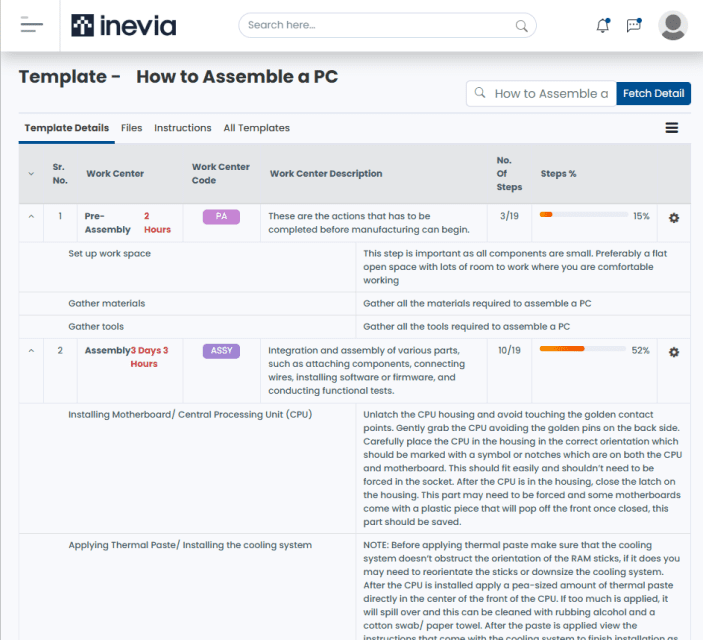
2. Product Genealogy: Serial Number Tracking and Traceability

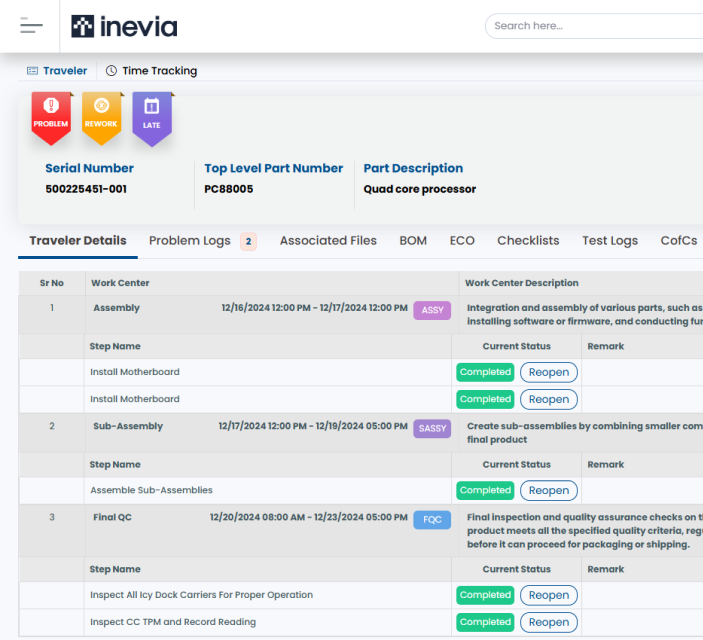
Every unit you produce carries a story. From raw material to finished product and traveler MES makes sure you never lose track of your story, With serial number tracking built right into the system, you get a complete view of each product’s journey. You can trace where it’s been, who worked on it and what exactly was done at each step in the product genealogy phase.

How it helps to reduce downtime: 

Let’s say a defect pops up later during QA or after delivery. Instead of pausing production to dig through paperwork or guess where things went wrong, you already have the full trail. That means less disruption and faster resolution.

3. Production Tracking: Live Status with Real-Time Order (RTO) Dashboards

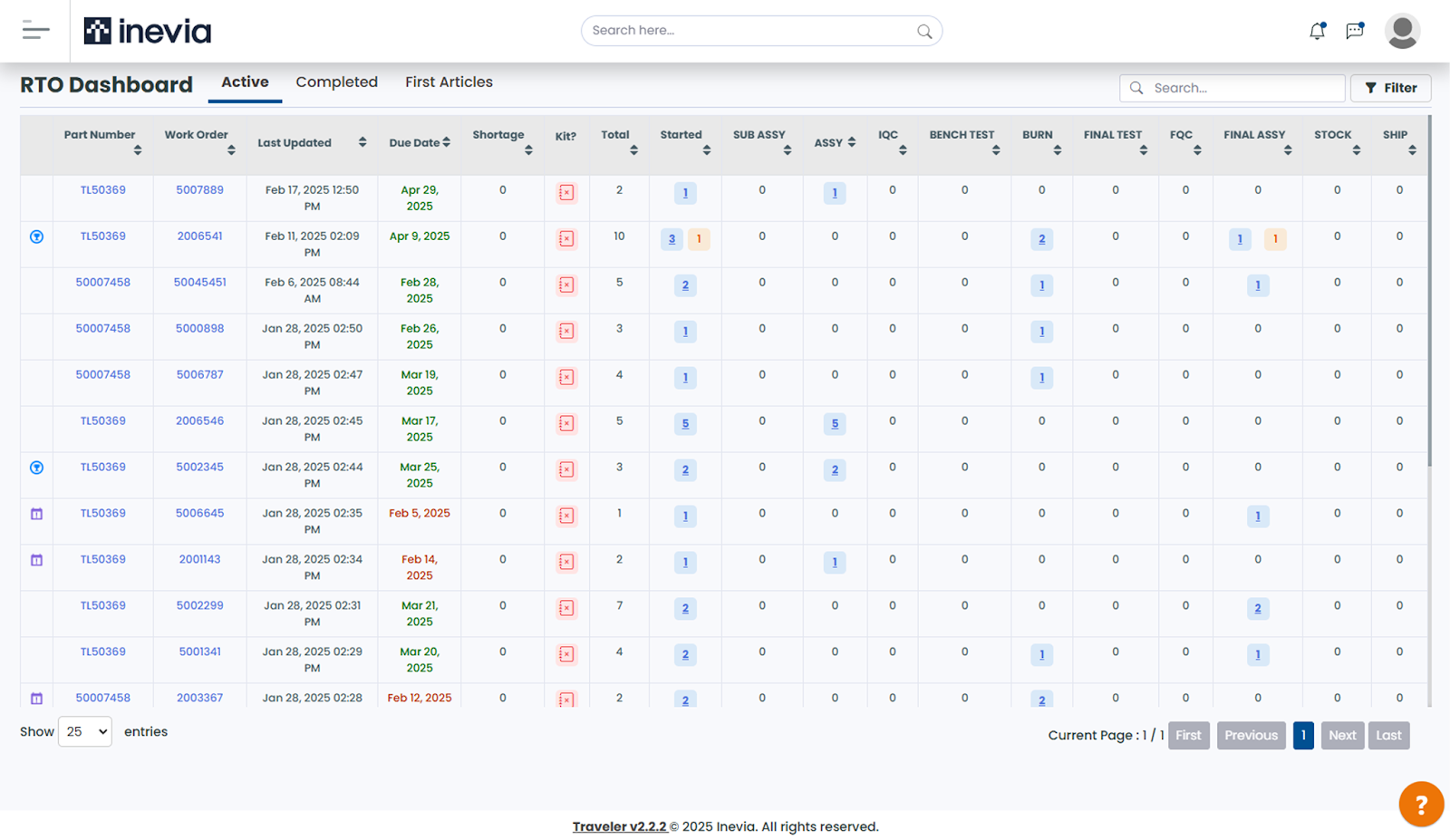
As each product makes its way through your shop floor, Traveler MES keeps you in the loop with real-time production tracking. The RTO dashboards show live updates on where every order stands whether it’s moving ahead smoothly or stuck at a work center.

How it helps reduce downtime: 

You don’t need to send someone to chase down status updates. If there’s a bottleneck or delay, you see it right away and so you can fix it before it escalates. It keeps the production line flowing without unnecessary interruptions.

4. Quality Inspection: Built-In Reporting for Immediate Action

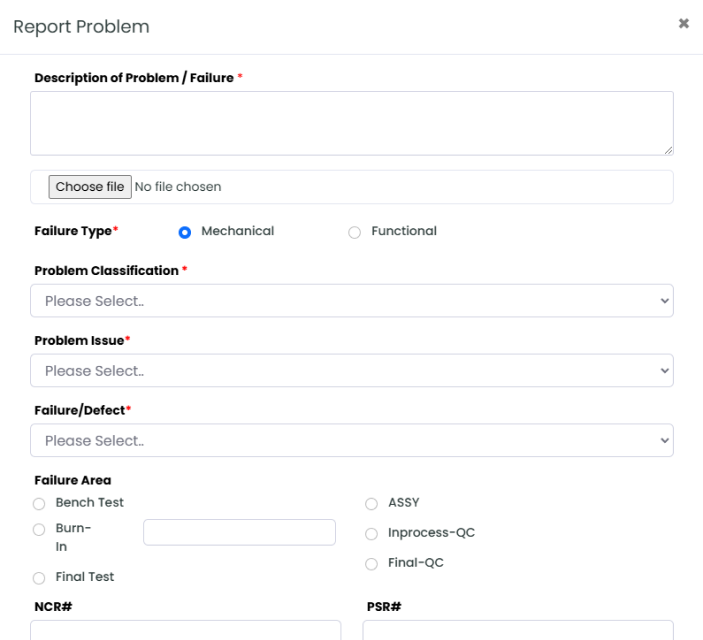
When a defect is found, timing is everything. Traveler MES enables your operators to report issues on the spot right inside the traveler document. There’s no need to stop the line or wait to fill out paper forms. Quality checks become part of the flow, not a separate task.

How it helps reduce downtime: Since problems are logged instantly, your team can act faster and avoid the snowball effect of unresolved issues. There’s no backlog of QA reports to deal with later.

5. Digital Work Instructions: Clarity at Every Step

Printed SOPs often become outdated or get misplaced, slowing down your operators and causing unnecessary errors. Traveler MES solves that with dynamic, digital work instructions. These are easy to follow, always current, and tailored to each specific task.

How it helps reduce downtime: 

There’s no more confusion or delay while waiting for clarifications. Operators get accurate, step-by-step guidance directly on their screens, so they can do the job right the first time.

6. Dashboards: Centralized Oversight for Smarter Decisions

Traveler MES doesn’t just help on the floor it empowers your leadership too. Everyone from supervisors to department heads can access dashboards customized to their role. These dashboards give a clear view of productivity, user activity, issue logs, and more.

How it helps reduce downtime:

With no blind spots, your team leads can act on real-time data rather than assumptions. They see where support is needed and can make informed decisions faster keeping production on track.

Why Traveler MES Stands Out

Unlike many traditional MES systems that feel overloaded with features you’ll never use, Traveler MES is different. It’s lean, focused, and built from real, on-the-ground manufacturing experience and not just a software wishlist. Developed in-house by a team that understands the daily challenges of discrete manufacturing, it’s designed to solve problems not create new ones.

With Traveler MES, you’re not just capturing data. You’re taking charge of your production process. Here’s what you get:

  • Full traceability of every part and every process, so nothing slips through the cracks
  • Clear, standardized workflows that guide your team step by step
  • Dashboards that reveal bottlenecks before they slow things down
  • Live production tracking that gives you confidence in your next move

See It in Action

Traveler MES is already improving production for manufacturers just like you. If you’re facing recurring delays, unclear instructions, or scattered tracking systems, this is your chance to try something that fits the way you work. Book a demo today and discover how a smarter system can lead to smoother production, fewer delays, and better outcomes for your business.

Most manufacturers are set up and running within a few days. Our team ensures your system is tailored to your workflow.

FAQs

  1. Will it disrupt my existing processes?

Not at all. Traveler MES enhances your current process and it doesn’t replace it. It integrates seamlessly into what you already do.

  1. Do we need any special hardware or ERP system?

No. Traveler MES works independently and is cloud-ready, simple to access from your existing shop-floor systems.

  1. What kind of support do we get?

Our product team is hands-on, responsive, and ready to support your floor teams, not just your IT department.