Did you know over 80% of manufacturing defects come from simple human mistakes? This shows how important it is to prevent errors in your production line. Poka-yoke, a Japanese term for mistake-proofing, is a key method to stop these mistakes before they start. It helps make your manufacturing more efficient.
Poka-yoke is based on quality control and lean manufacturing. It finds, stops, or fixes defects early to keep your products perfect. Using poka-yoke is key to avoiding mistakes, saving money on rework, and making your workflow smoother. It also helps your manufacturing line grow and keep up with digital changes.
Adding poka-yoke to your processes means better quality control and more efficient production. It’s not just about fixing mistakes. It’s about building a culture that encourages innovation and efficiency at every step.
Key Takeaways
- Poka-yoke is a mistake-proofing methodology aimed at eliminating errors at the source.
- It plays a vital role in boosting manufacturing efficiency by stopping defects before they happen.
- Based on lean manufacturing and quality control, poka-yoke helps reach zero defects.
- It makes workflows smoother and cuts down on expensive rework.
- This approach fits with digital transformation goals, making operations scalable and agile.
- Poka-yoke encourages a culture of ongoing improvement and excellence in operations.
Understanding Poka-Yoke
Poka-Yoke is key to making your manufacturing better and always improving. It makes your work more efficient and changes how you handle mistakes. Instead of just finding errors, you prevent them from happening.
Definition and Origins of Poka-Yoke
The poka-yoke definition is about making systems that stop mistakes before they start. These systems make errors easy to spot if they do happen. It all started in Japan in the 1960s, thanks to Shigeo Shingo. He saw how important it was to stop mistakes early in production.
Using poka-yoke means adding tools and methods to help workers do things right the first time. This lowers the chance of mistakes and makes things more consistent.
Importance of Poka-Yoke in Manufacturing
Using poka-yoke in your factory does more than just stop mistakes. It’s a big step towards digital change and helps grow production while keeping quality high. It’s all about making every step in the process better and mistake-free.
- Reduces dependency on stringent quality control checks by preventing errors beforehand.
- Boosts confidence in the reliability of production processes and products.
- Enhances customer satisfaction through consistent product quality.
By following poka-yoke, you’re not just making your processes better. You’re also helping your whole company grow and stay ahead in the market. This focus on quality and efficiency gives you a strong edge in today’s fast-paced world.
The Principles of Mistake-Proofing
Understanding mistake-proofing is key to better manufacturing. These principles help prevent errors and improve quality control processes and process optimization.
Key Concepts of Error Prevention
Mistake-proofing principles focus on stopping errors before they happen. They design systems that are easy to use and safe. This makes mistakes less likely.
- Incorporation of sensors and alarms to alert operators immediately when a deviation occurs.
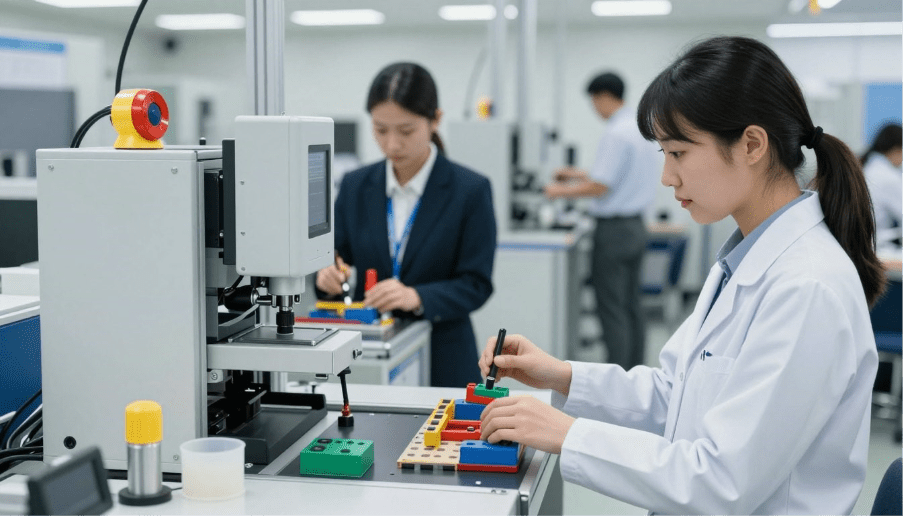
- Use of physical guides or templates to ensure parts are assembled correctly without the possibility of error.
- Application of color-coding or different shapes for components that should not be interchanged.
These methods make sure every part of production aims for top efficiency and quality.
How Mistake-Proofing Works in Practice
Putting a mistake-proof system in place makes theory real in factories. It uses checks and feedback to quickly find and fix errors. This cuts down on defects and rework.
- Detection of assembly issues before they move down the line, ensuring that problems can be rectified at the earliest stage.
- Integration of real-time data collection tools that monitor quality parameters and alert staff to any anomalies.
- Enhanced training modules that focus on preventing common errors and improving operator awareness and responsiveness.
Combining error prevention with mistake-proofing leads to better manufacturing. By using these systems, your factory gets closer to perfect production.
Poka-Yoke Techniques in Lean Manufacturing
As your business looks to improve, it’s key to understand poka-yoke techniques and lean manufacturing. These methods improve product quality and fit well with lean principles. They help make your operations more efficient and scalable.
Let’s explore how these techniques work in lean manufacturing:
Types of Poka-Yoke Techniques
- Contact Method: Uses sensors to check if a part is there or not, making sure it’s in place before moving on.
- Fixed-value Method: Counts items or movements to ensure the right amount is done, stopping errors by being precise.
- Motion-step Method: Watches the order of steps to make sure they’re done right and on time.
Integration with Lean Manufacturing Principles
Using poka-yoke with lean manufacturing changes how you make things. It helps cut down on waste and focus on adding value. It also stops defects and checks quality as it happens.
By using poka-yoke, you keep things consistent and reduce mistakes. This is key to lean. It also helps with continuous improvement and makes your factory more flexible. Together, they make your business better and ready for the future.
In short, using poka-yoke in lean manufacturing makes your business stronger. It improves quality and shows you’re serious about doing things right. It helps your factory be quick to change and keep high efficiency.
Benefits of Implementing Poka-Yoke Systems
Introducing poka-yoke systems to your manufacturing can lead to better performance and happier customers. These systems are great at reducing defects and saving costs. They help improve quality and move towards making products without errors. Let’s explore how these benefits affect your operations.
Enhancing Quality Control and Reducing Defects
Poka-yoke is all about improving quality control. It’s a powerful tool against defects. It catches problems early, so you don’t have to check quality as much later. This means fewer defects, which makes customers trust your products more and reduces the need for costly fixes.
Cost Savings Through Error-Proofing
Poka-yoke also helps your bottom line by saving money. It reduces the need for rework, scrap, and warranty claims. This saves materials and labour, which can be a big deal for keeping prices low and investing in new technology. By using poka-yoke, you can make more without sacrificing quality.
- Error-proofing advantages: Predominantly reduces operation disruptions.
- Quality control enhancement: Boosts consistency and compliance with industry standards.
- Defect reduction: Lowers the frequency and severity of manufacturing errors.
- Cost efficiency: Optimizes resource use and increases financial savviness.
- Scalable manufacturing: Supports the expansion of production capacities without diminishing quality standards.
By using poka-yoke systems, your business is set for success now and in the future. These systems help you handle more production without losing quality. Poka-yoke is more than a method; it’s a key to ongoing improvement in your operations.
Poka-Yoke Examples in Various Industries
Looking at poka-yoke examples in different fields shows its key role in improving how things work. It helps in making manufacturing better and in preventing mistakes in services. This shows how useful and important it is in today’s industries.
Case Studies in Manufacturing
In manufacturing, poka-yoke has been a gamechanger. It helps in making things better over time. For example, car factories use sensors to make sure parts are put together right. This cuts down on expensive mistakes.
These examples show how well people and machines can work together. They make products of higher quality.
- Automotive firms use poka-yoke to prevent installation errors.
- Electronics manufacturers implement sensor-driven systems to avert soldering flaws.
Poka-Yoke Applications in Service Industries
Poka-yoke is also used in service industries, making things better from billing to talking to customers. It helps make things run smoother and reduces mistakes. Hospitals, for example, use it to keep patients safer by avoiding wrong diagnoses or medication.
- Financial services employ automated checks to reduce transaction errors.
- Healthcare settings utilize mistake-proofing to boost patient care and safety.
Poka-yoke is used everywhere, from making things to providing services. It helps make things better and more efficient in many areas. Starting your journey to being better could begin with using these strategies. They are designed to fit your specific needs.
Conclusion
Using Poka-Yoke is a smart move that boosts your manufacturing efficiency. This system helps avoid mistakes, aiming for zero defects. It makes your quality control better and encourages ongoing improvement.
By adopting Poka-Yoke, you improve your operation’s reliability. It fits well with lean manufacturing and digital changes. This makes your processes flexible and ready for growth.
Poka-Yoke does more than just prevent errors. It leads to better production and saves costs. It means aiming for excellence in your operations. Companies using Poka-Yoke are ready for future challenges.
Adding Poka-Yoke to your manufacturing path helps improve every step. It drives innovation and gives you an edge over competitors. Use this tool to fully benefit from digital changes and growth.
FAQ
What is Poka-Yoke and how does it improve manufacturing?
Poka-Yoke is a method to stop mistakes in manufacturing. It finds and fixes problems before they happen. This makes workflow better, products better, and helps reach zero defects.
Who developed Poka-Yoke and why is it important in quality control?
Shigeo Shingo created Poka-Yoke. It changes quality control from fixing mistakes to stopping them before they start. This makes production better and more efficient.
How do Poka-Yoke systems prevent errors in practice?
Poka-Yoke uses safety features like sensors to stop mistakes. It also finds mistakes fast. This makes things better and more reliable.
What types of Poka-Yoke techniques are used in lean manufacturing?
Lean uses different Poka-Yoke methods. These include checking if something is there, counting things right, and making sure steps are done in order. These methods help make things better and faster.
What are the key benefits of implementing a Poka-Yoke system?
Poka-Yoke makes things better and saves money. It cuts down on mistakes, which means less waste and more efficiency. It also helps grow and improve over time.
Can Poka-Yoke be applied outside manufacturing?
Yes. Poka-Yoke helps other areas too. It makes billing, documents, and customer service better. This leads to better service and growth.
How does Poka-Yoke contribute to digital transformation in manufacturing?
Poka-Yoke fits well with digital changes. It makes processes better, more efficient, and quality higher. It helps make manufacturing agile and smart.
What role does Poka-Yoke play in achieving zero-defect manufacturing?
Poka-Yoke is key to making products perfect. It stops mistakes early, so every product is top quality. This is important for lean goals and perfect products.