

What Work Instruction Software for Manufacturing Really Means
At its core, work instruction software for manufacturing ensures that the right instructions reach the right operator at the right time within the actual production flow. It connects process knowledge directly to execution without delays or miscommunication. Traditional work instructions fail because:

Outdated Instructions
Instructions are outdated or hard to access

Memory-Based Work
Operators rely on memory or verbal guidance

No Real-Time Updates
Process changes are not communicated in real time

Late Error Detection
Process changes are not communicated in real time
Manufacturing work instruction software eliminates these gaps by embedding instructions directly into workflows, making them actionable and contextual. It ensures that instructions evolve alongside processes rather than becoming outdated over time.
Why Most Work Instruction Systems Fail in Manufacturing
Many tools claim to be the best work instruction software for manufacturing, but most are built like document repositories instead of execution systems.

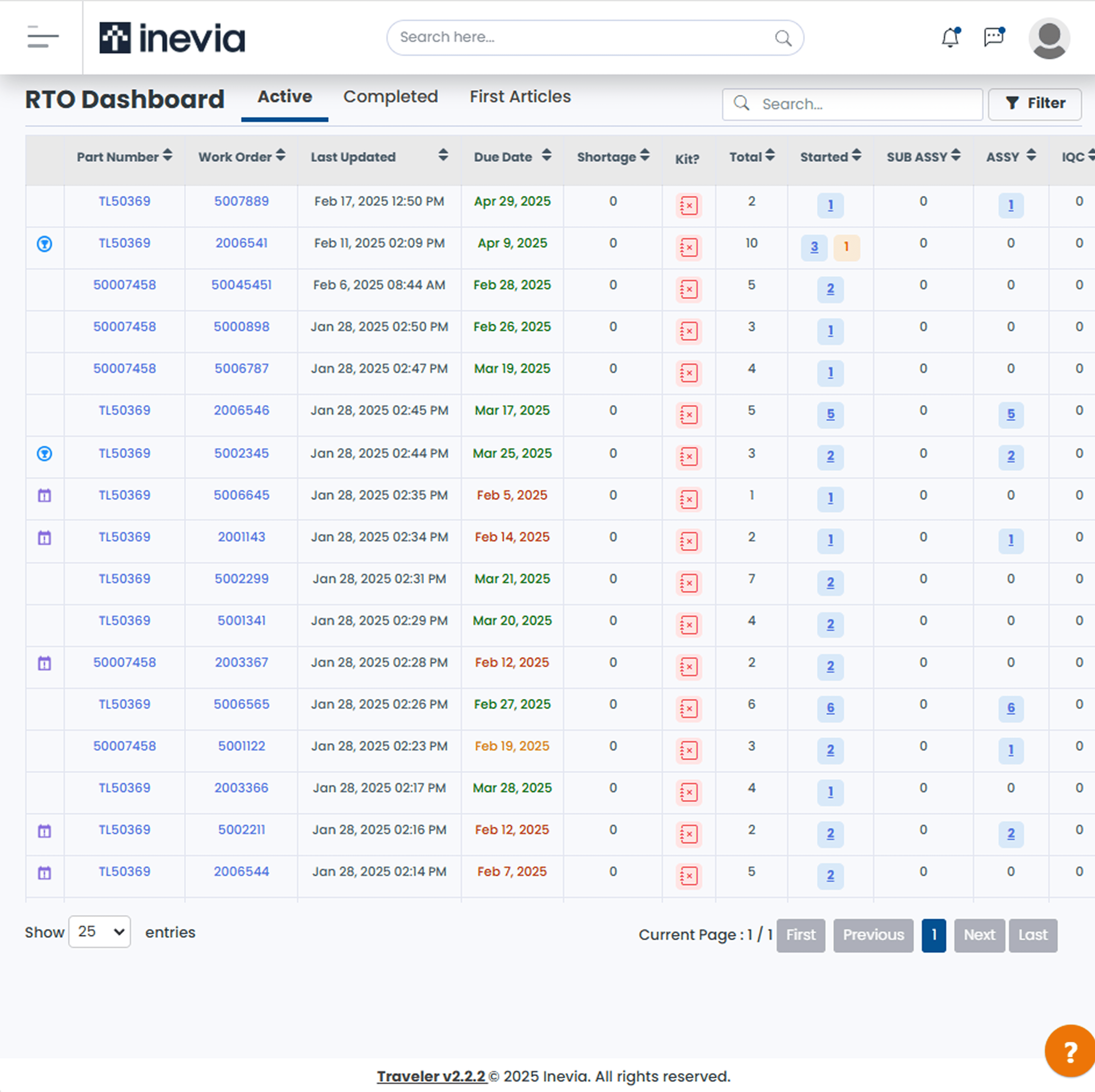
A Work Instruction System Built for Live Production
Effective manufacturing work instruction software operates inside production rather than outside it. It becomes part of the workflow that operators interact with daily.
This means:
- Instructions are tied to specific process steps
- Operators receive contextual and step-by-step guidance
- Updates reflect instantly across all workstations
- Deviations are captured as they happen
With work instruction software for manufacturing, teams no longer depend on guesswork or past experience alone. They follow structured, real-time guidance that improves accuracy and efficiency.
This approach reduces variability and ensures that even complex processes are executed consistently across shifts.
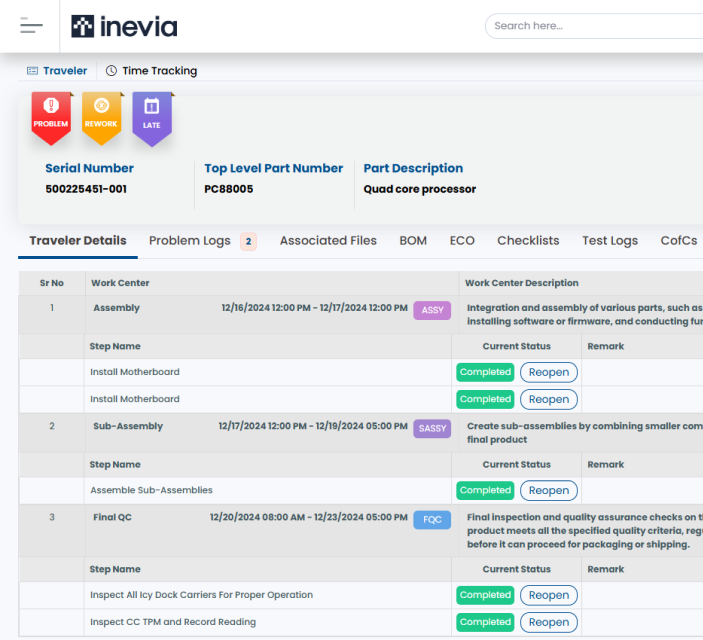
Standardization Without Slowing Down Operations
As manufacturing scales, complexity increases with more products, more operators, and more variability across workflows. Maintaining consistency becomes a challenge without the right systems in place.
The best work instruction software for manufacturing ensures:
- Consistency across shifts and locations
- Standardized processes without rigid systems
- Faster onboarding and training
- Reduced dependency on tribal knowledge
By centralizing and digitizing instructions, manufacturing work instruction software creates a reliable system that teams can trust. It allows organizations to scale operations without introducing inefficiencies or confusion.
It also supports continuous improvement by making it easier to update and distribute process changes instantly.
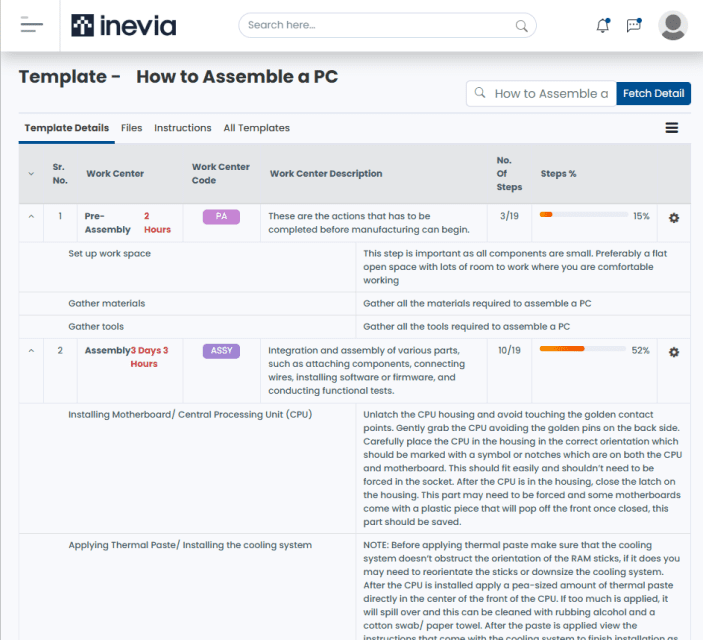
When Work Instructions Start Driving Results
When manufacturing work instruction software is embedded into execution, organizations begin to see measurable outcomes that directly impact productivity and quality.
These include:
- Fewer production errors
- Faster operator training
- Improved process consistency
- Reduced downtime caused by miscommunication
This is where work instruction software for manufacturing shifts from being a support tool to a performance driver. It becomes a key contributor to operational excellence rather than just a documentation layer.
Teams spend less time correcting mistakes and more time maintaining smooth production flow.
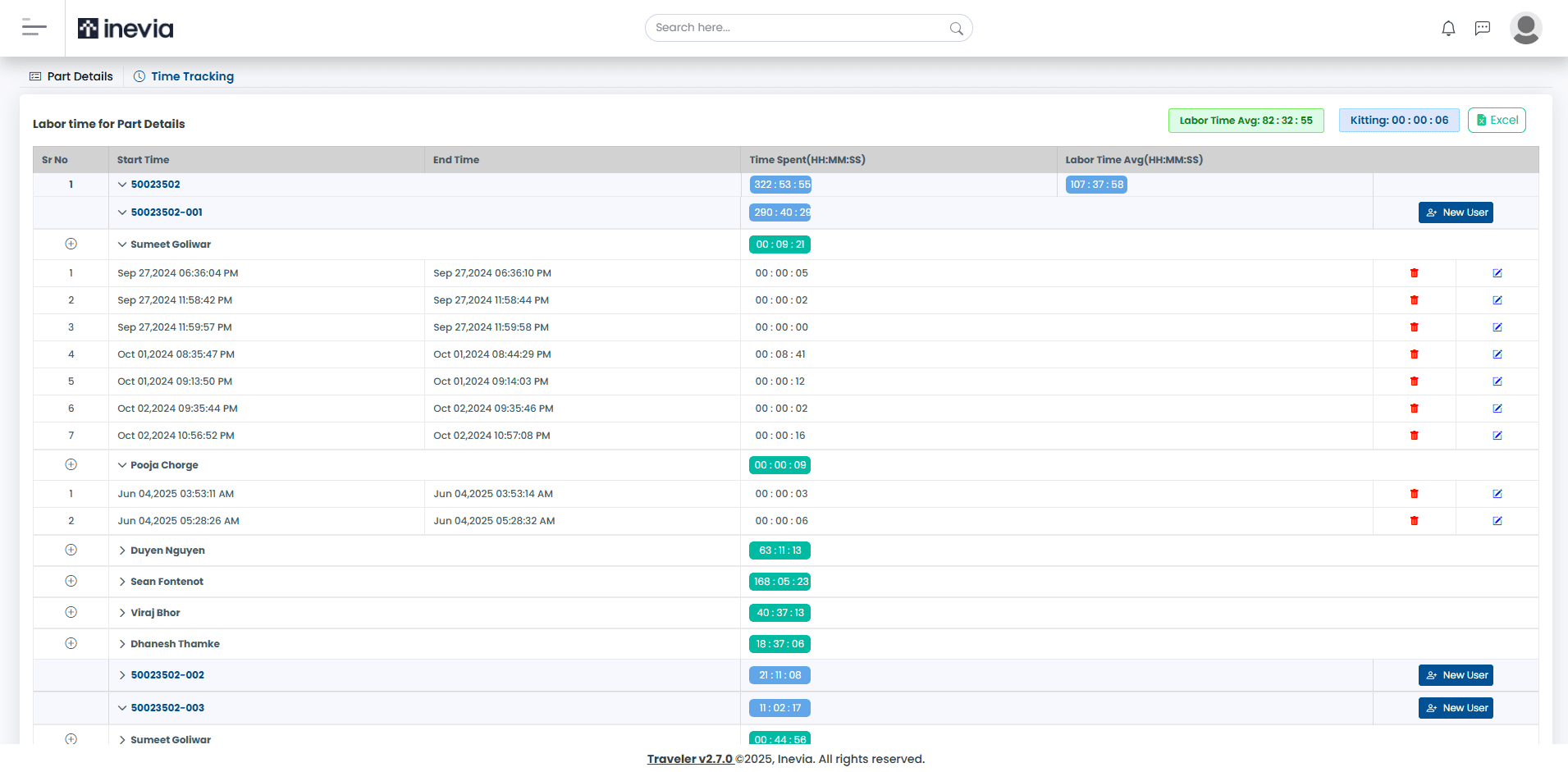
Connected Work Instructions with Manufacturing Execution Systems
Work instructions become significantly more powerful when integrated with execution systems that manage production in real time. This alignment ensures that instructions are always relevant to the current state of operations.
When manufacturing work instruction software is aligned with MES platforms like Traveler MES:
- Instructions update alongside production status
- Operators receive real-time and context-aware guidance
- Process deviations are immediately visible
- Traceability improves across orders and batches
This integration reduces the gap between planning and execution. It ensures that every instruction reflects what is actually happening on the shop floor at that moment.
Choosing the Best Work Instruction Software for Manufacturing
The best work instruction software for manufacturing is not defined by the number of features it offers. It is defined by whether teams actually use it during daily operations.
Ask:
- Will operators use it consistently on the shop floor?
- Does it reflect real production workflows?
- Can it adapt to process changes instantly?
If the system is not intuitive and reliable under pressure, adoption will suffer. Without adoption, even the most advanced system will fail to deliver value.

Ready to Transform Your Manufacturing Execution
If your operations rely on outdated documents, manual training, or inconsistent processes, the issue is not effort. It is the system supporting your teams. Modern manufacturing work instruction software brings:
Provides operators with up-to-date, step-by-step instructions exactly when needed, reducing confusion and ensuring accurate task execution.
Standardizes workflows across teams, shifts, and locations to ensure every task is performed the same way, minimizing variability and errors.
Gives managers and teams clear insight into production status, performance, and issues, enabling faster and more informed decision-making.
Supports growth by allowing processes to be easily replicated, updated, and managed across multiple lines, plants, or teams without losing efficiency.
It enables organizations to move from reactive operations to structured and predictable execution. This shift creates a stronger foundation for growth and continuous improvement.
FAQs
It is a digital system that delivers step-by-step instructions to operators in real time, ensuring consistent and accurate execution of manufacturing processes. It helps standardize workflows and reduce dependency on manual processes.
Traditional SOPs are static documents, while work instruction software for manufacturing provides dynamic and context-aware guidance. It ensures that instructions are always up to date and aligned with live production.
Ease of use, real-time updates, and seamless integration with production systems are key factors. High adoption on the shop floor is what ultimately defines success.
Yes, manufacturing work instruction software reduces errors by guiding operators step by step and ensuring process consistency. It also helps identify and correct deviations early.
Yes, modern manufacturing work instruction software integrates with MES to align instructions with live production workflows. This improves visibility, traceability, and overall operational control.
Transform Your Manufacturing Today
Stop relying on outdated instructions and inconsistent workflows. Empower your teams with real-time guidance, process consistency, and operational visibility.
Contact